How a Malaysian University Implemented a Modern Student Information System (SIS) to Unify Academic Operations
From Fragmented Systems to a Unified Student Information System
A Strategic Shift Toward Connected Academic Operations
Powered by Creatrix Campus, a unified platform for student lifecycle and academic operations
Why Malaysian Universities Are Moving Away from Fragmented Systems
Across Malaysian universities, managing student data and academic operations across disconnected systems is becoming increasingly unsustainable.
- Student data is spread across admissions, academic, and administrative systems, creating inconsistencies
- Manual coordination slows decision-making and increases operational effort
- Limited visibility makes it difficult for leadership to respond in real time
Most Universities Are Not Struggling with Ambition.
They Are Struggling with Execution.
Across institutions, the challenge is not the lack of intent, but the ability to execute with clarity, continuity, and real-time visibility.
In many cases, this gap is not driven by strategy, but by the systems that support it. When student data, academic workflows, and institutional processes are distributed across disconnected platforms, execution becomes fragmented and difficult to sustain.
Without a unified Student Information System (SIS), institutions struggle to maintain consistency, respond in real time, and operate with the level of coordination required for modern academic environments.
Where Institutions Struggle
Across many universities, the execution gap becomes visible in how systems and workflows operate on a daily basis.
Critical student data is often distributed across multiple disconnected platforms, making it difficult to maintain consistency and accuracy across departments.
Academic and administrative workflows operate in silos, limiting coordination between teams and creating dependencies on manual intervention. At the leadership level, the lack of real-time visibility into institutional performance makes it harder to monitor progress, respond quickly, and make informed decisions.
- Critical student data exists across multiple disconnected systems
- Academic and administrative workflows operate in silos
- Leadership lacks real-time visibility into institutional performance
These gaps increase manual effort, delay decisions, and limit the institution’s ability to operate with consistency and respond proactively to academic and student needs.
From Fragmented Systems to a Unified Student Information System
i-CATS University College is moving away from disconnected systems toward a unified Student Information System that brings student data and academic operations into a single environment.
This shift improves coordination across departments, enables access to reliable information, and strengthens how the institution manages the full student lifecycle.



What a Modern Student Information System Enables
Admissions & Enrollment
Manage the student journey from application through enrollment within a unified system.

Curriculum & Assessments
Align curriculum delivery and assessments through structured, connected academic workflows.
Student Progression
Track and manage student progression with real-time visibility across the lifecycle.
A modern Student Information System brings together academic and administrative functions into a single platform, enabling consistent and real-time access to student information.
Before and After a Modern Student Information System
The shift is not from one system to another. It is from fragmented operations to a connected and continuous student lifecycle.
Before SIS
- Disconnected systems across departments
- Manual data reconciliation across functions
- Delayed reporting and decision-making
- Limited visibility into the student lifecycle
After SIS
- Centralized student data across academic and administrative functions
- Real-time visibility for institutional teams
- Reduced manual workload across departments
- Faster, more informed institutional decision-making
This represents a shift from managing individual processes to governing the full student lifecycle with greater clarity and control.
The Shift Toward Modern Student Information Systems in Malaysia
Across Malaysian universities, the shift toward modern Student Information Systems is being driven by increasing operational complexity, regulatory requirements, and the need for real-time institutional visibility.
Rising operational complexity
Expanding programmes, flexible delivery models, and growing student cohorts are increasing system demands
End of fragmented systems
Institutions can no longer sustain separate platforms for admissions, curriculum, and assessments
Regulatory alignment
MQA frameworks, OBE implementation, and multi-accreditation requirements demand structured data and reporting
Digital transformation priorities
Institutional leadership is prioritising connected systems to improve student outcomes and operational efficiency
This shift reflects a broader move across Malaysian higher education toward unified platforms that support connected academic operations and lifecycle management.
What This Means for Institutions Like Yours
With a unified Student Information System in place, institutions like i-CATS University College operate with greater clarity, coordination, and consistency across academic and administrative functions.
Single Source of Truth
Centralized student data across departments.
Improved Data Access
Accurate information available in real time.
Streamlined Workflows
Better alignment across academic and administrative processes.
Lifecycle Visibility
Clear view of the student journey from admission to graduation.
Faster Decisions
Quicker access to insights for timely action.
Operational Efficiency
Reduced manual effort across teams.
This marks a shift from reactive operations toward a more proactive and structured approach to managing institutional performance.
The Official Launch
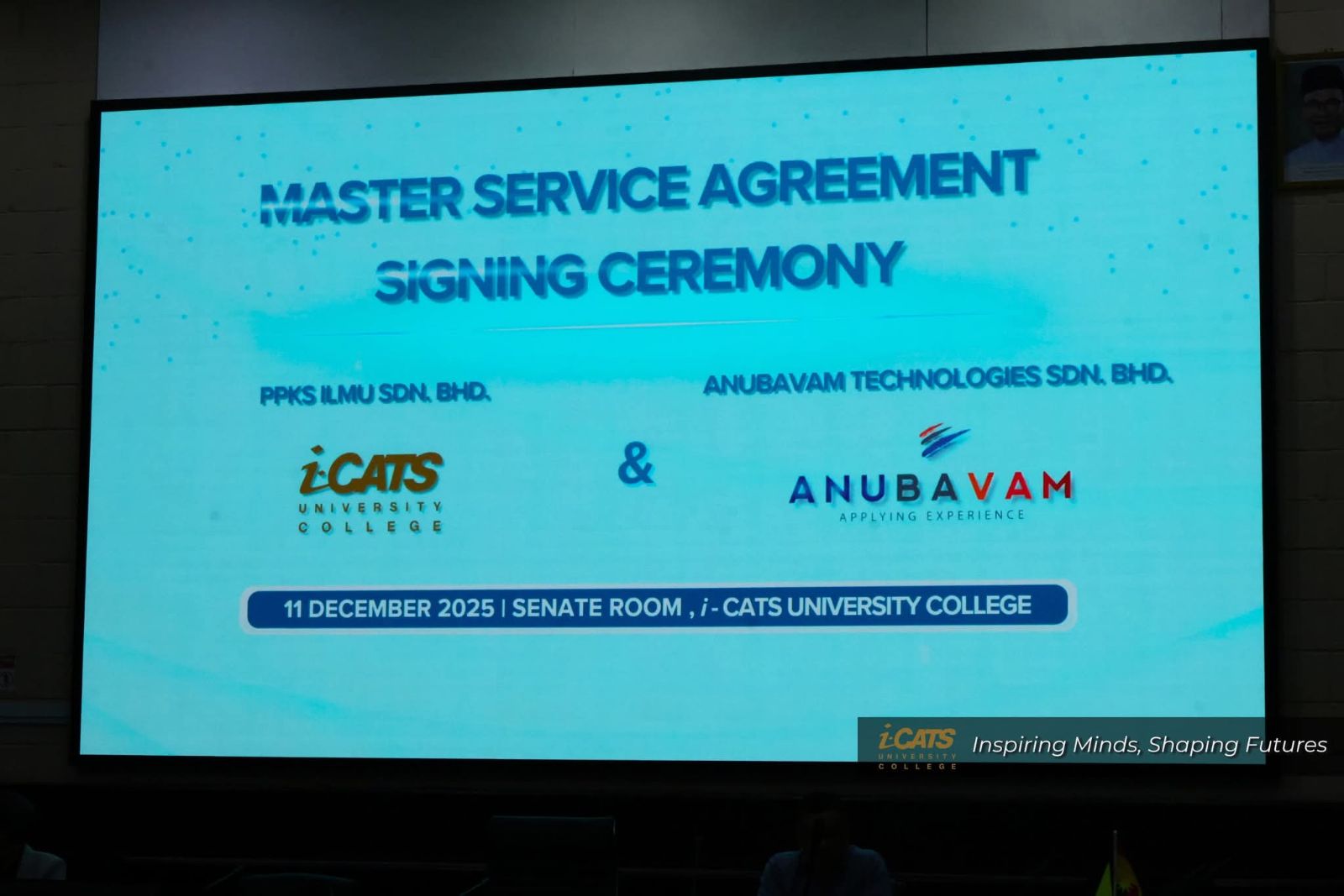
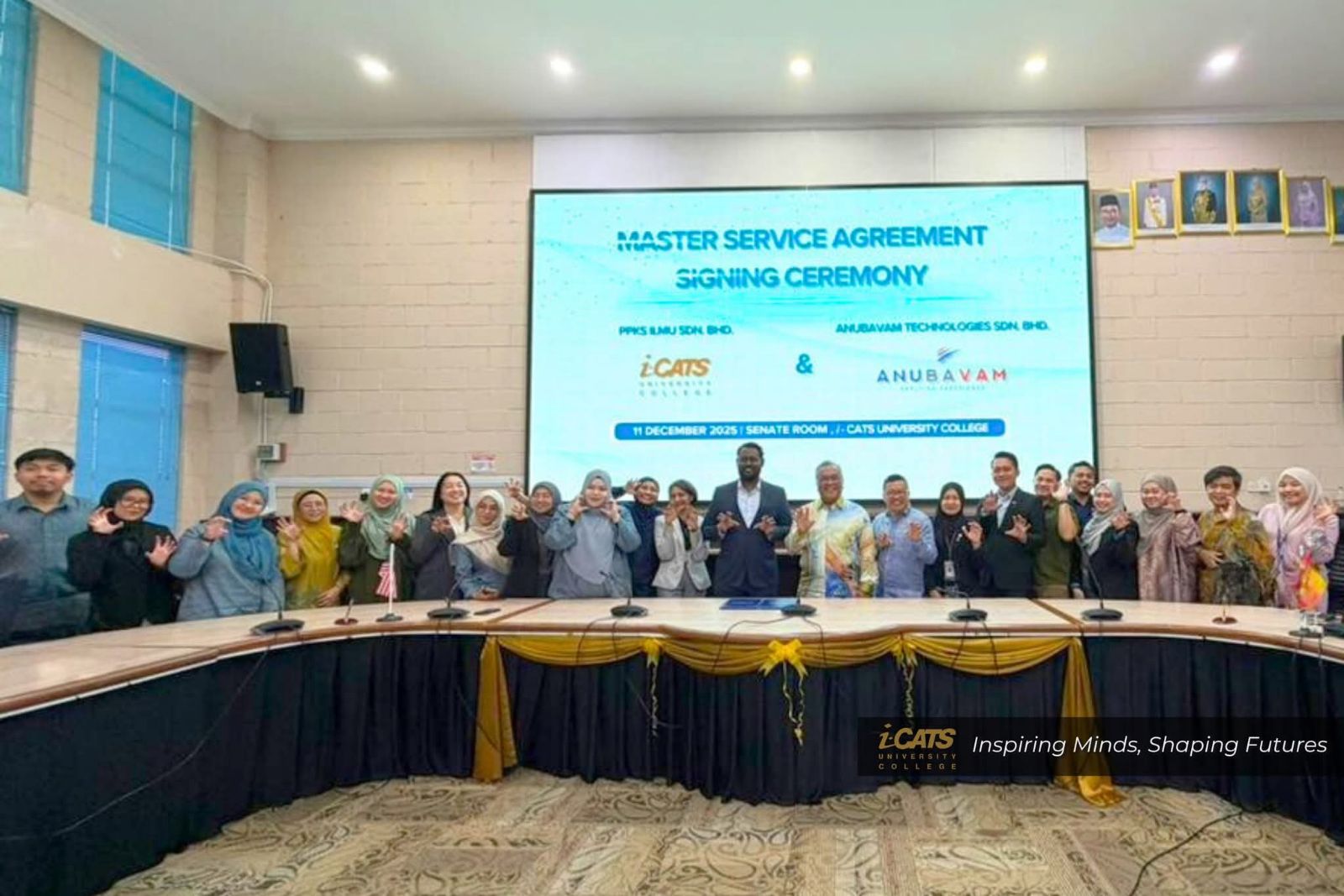
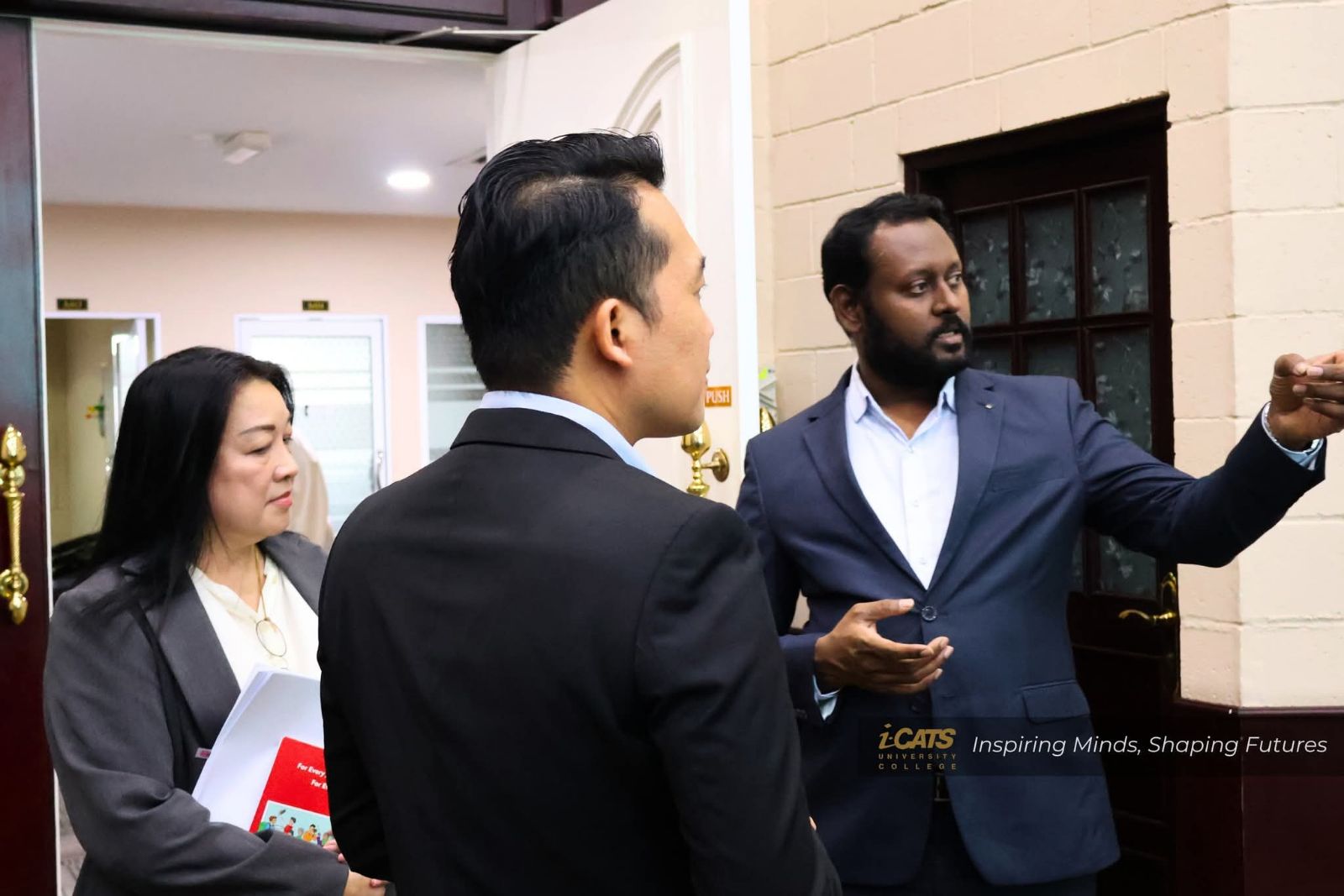
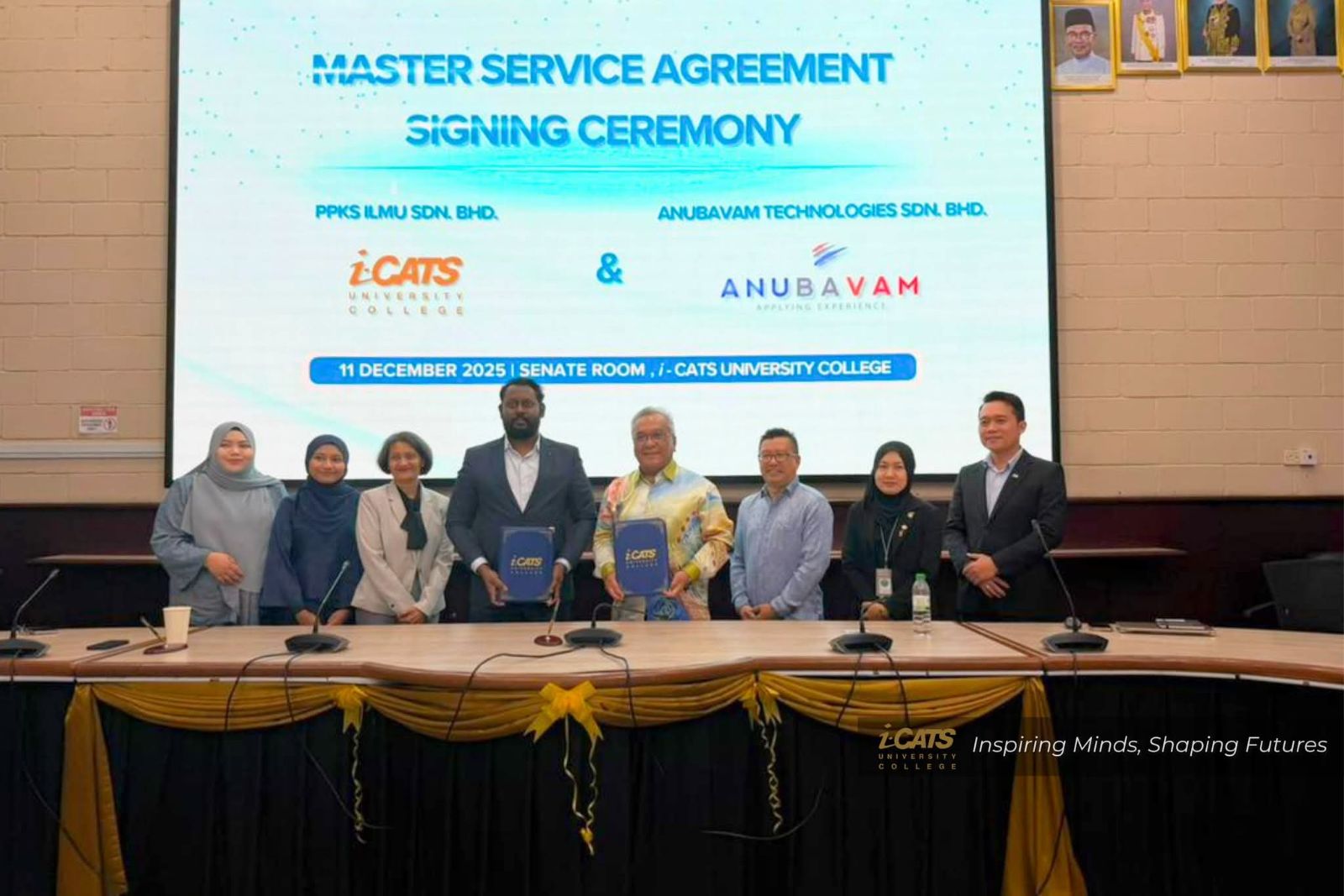
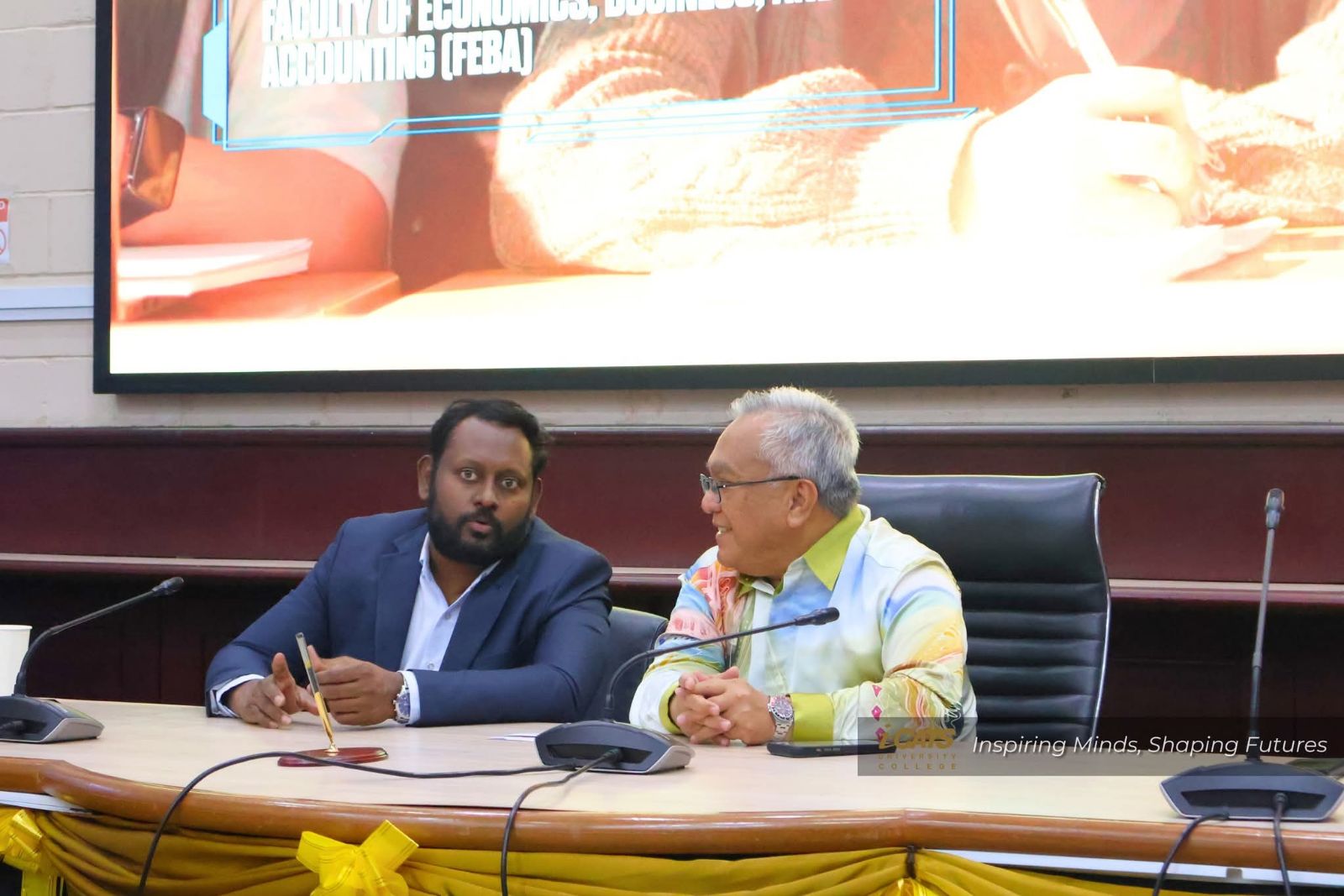
The system was formally launched by Professor Emeritus Datuk Dr. Ts. Mohamad Kadim Suaidi and Sivakumar Veerappan, marking the beginning of a strategic collaboration between i-CATS University College and Anubavam Technologies.
The event brought together senior leadership, academic heads, and institutional teams, reflecting a shared commitment to strengthening how the institution manages its academic operations and student lifecycle.
Professor Dato’ Dr. Shazali Bin Abu Mansor
Professor Dr. Leo Sing Lim
Mr. Luqman Najib Bin Haji Halpi
Madam Rosmawati Binti Haji Priman
Professor Ts. Dr. Mohamad Nazim bin Jambli
Deans, directors, academic staff, and operational teams were also present, alongside the Anubavam team supporting implementation and training ahead of system go-live.
Common Questions About
Student Information Systems in Universities
Explore how a modern Student Information System can transform your institution
See how universities are unifying academic operations, improving visibility, and managing the student lifecycle through connected systems.